The Ultimate Guide to Sourcing Korean Products for Global Buyers
Popular Insights
The Gold Standard of Wellness: Why 6-Year-Old Korean Red Ginseng is a Must-Have for Your Premium Portfolio
The Best Place to Source Korean Products: Discover MadeInKorea.im
How to Find Reliable Korean Suppliers for Your Import Business
Why Korean Products Are in High Demand Worldwide
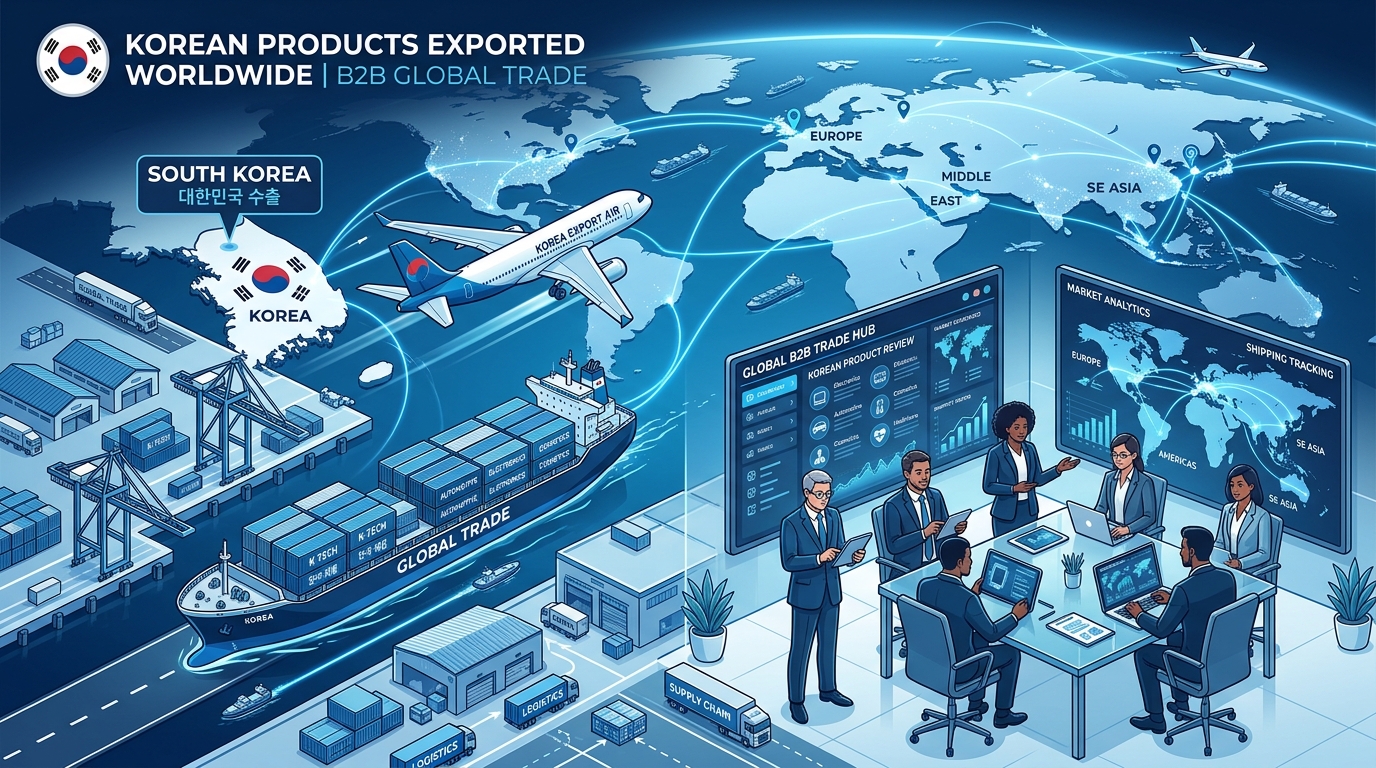
South Korea has become one of the world’s most trusted manufacturing hubs, known for innovation, premium quality, and strict quality control standards. From beauty products and electronics to health supplements and food, Korean products are now exported to nearly every country in the world.
For global buyers, sourcing products from Korea presents enormous opportunities. However, the process can sometimes feel complicated—especially if you are unfamiliar with Korean suppliers, export documentation, or reliable sourcing platforms.
This ultimate guide will walk you through everything you need to know about sourcing Korean products successfully. Whether you are a distributor, wholesaler, importer, or e-commerce seller, understanding the Korean sourcing ecosystem will help you build profitable and long-term supply chains.
If you want to discover verified Korean suppliers and export-ready products, visit
1. Why Korean Products Are in High Demand Worldwide
Over the past decade, Korean products have gained massive global popularity. This trend is largely driven by the global influence of Korean culture, often referred to as the “K-Wave” or Hallyu. Korean dramas, K-pop, and Korean beauty trends have significantly increased international demand for Korean brands and products.
Korean manufacturers are also known for their exceptional attention to quality and innovation. Industries such as cosmetics, skincare, electronics, food products, and health supplements maintain strict quality standards. Many Korean factories operate with international certifications such as ISO, GMP, FDA registration, and CE approval.
Another reason global buyers prefer Korean suppliers is reliability. Korean manufacturers tend to maintain long-term partnerships and are experienced in international trade. They understand export documentation, logistics processes, and global market expectations.
Additionally, Korea invests heavily in research and development. As a result, Korean products often feature cutting-edge technologies, unique formulations, and premium packaging—making them highly competitive in international markets.
For buyers looking to import innovative and premium products, Korea offers an excellent sourcing destination.
2. The Most Popular Korean Products for Import
Global demand for Korean products continues to expand across many industries. However, several product categories stand out as especially popular among international buyers.
Korean cosmetics and skincare products are among the most sought-after exports. The K-beauty industry is famous for advanced formulations, natural ingredients, and innovative skincare routines. Products like sheet masks, serums, and sunscreen have gained massive popularity worldwide.
Another fast-growing category is health supplements, particularly Korean red ginseng products. Korean ginseng has been used in traditional medicine for centuries and is widely recognized for its health benefits.
Food products are also popular export items. Korean instant noodles, snacks, sauces, and fermented foods such as kimchi are increasingly available in supermarkets around the world.
In addition, Korean household goods, lifestyle products, baby products, and kitchenware are gaining traction due to their quality and unique design.
Understanding which Korean product categories perform well globally can help buyers choose the right sourcing strategy and maximize profitability.
3. Understanding the Korean Manufacturing Ecosystem
South Korea has a highly developed manufacturing infrastructure supported by advanced technology and government-backed export initiatives.
Many Korean factories specialize in OEM and ODM manufacturing. OEM allows buyers to sell products under their own brand, while ODM involves Korean manufacturers designing and producing products on behalf of international brands.
Korean manufacturers are particularly strong in sectors such as cosmetics, electronics, medical devices, automotive components, and food production. Most factories operate with strict quality control processes and comply with international safety standards.
The Korean government also actively supports export industries through trade promotion agencies and international exhibitions. These initiatives help connect Korean suppliers with global buyers.
However, for new buyers, navigating the Korean supplier landscape can be challenging. Language barriers, supplier verification, and communication gaps may create obstacles when sourcing directly from manufacturers.
This is why many international buyers rely on specialized sourcing platforms that simplify supplier discovery and verification.
4. How to Find Reliable Korean Suppliers
Finding trustworthy suppliers is the most critical step in sourcing Korean products. While there are many manufacturers in Korea, not all of them are experienced in international trade.
Buyers should start by researching suppliers that already export globally. Export-ready companies typically have English-speaking staff, export documentation experience, and established logistics networks.
Another important step is verifying supplier credentials. Buyers should check business registrations, certifications, product documentation, and export licenses. Requesting product samples is also recommended before placing large orders.
Communication is another key factor. Reliable suppliers respond quickly, provide clear quotations, and are transparent about production timelines and pricing structures.
To simplify the sourcing process, many buyers use curated sourcing platforms that feature verified Korean suppliers and export-ready products.
One example is
This platform helps global buyers discover Korean manufacturers and products more efficiently.
5. The Role of B2B Sourcing Platforms
B2B sourcing platforms have become essential tools for global buyers seeking reliable suppliers. These platforms help streamline the entire sourcing process, from supplier discovery to product comparison.
Instead of spending weeks searching for manufacturers individually, buyers can explore multiple suppliers and products in one place. B2B platforms often provide product catalogs, company profiles, and direct communication channels.
A major advantage of these platforms is transparency. Buyers can compare product specifications, certifications, and supplier capabilities before initiating contact.
Additionally, sourcing platforms help reduce risk by showcasing suppliers that are already engaged in export activities.
Platforms dedicated specifically to Korean products are particularly valuable because they focus exclusively on Korean manufacturers and export-ready goods.
For buyers interested in Korean sourcing, exploring a specialized platform such as
can significantly simplify the supplier discovery process.
6. How to Evaluate Korean Manufacturers
Before entering into a partnership with a Korean manufacturer, buyers should carefully evaluate several key factors.
First, check the company’s manufacturing capabilities. This includes production capacity, factory certifications, and quality control procedures. Reliable manufacturers are transparent about their facilities and operational standards.
Second, evaluate the supplier’s export experience. Companies that regularly export to multiple countries tend to understand customs regulations, international shipping requirements, and product compliance standards.
Third, request product samples. Samples allow buyers to assess product quality, packaging, and functionality before committing to large purchase orders.
Buyers should also clarify minimum order quantities (MOQs), lead times, payment terms, and logistics arrangements in advance.
By carefully evaluating suppliers before making purchasing decisions, global buyers can reduce risk and build long-term sourcing relationships.
7. Understanding Import and Export Documentation
Importing products from Korea involves several key documents that buyers must understand.
The most common export documents include the commercial invoice, packing list, bill of lading, and certificate of origin. These documents are required for customs clearance and international shipping.
Certain product categories may require additional certifications. For example, cosmetics and health supplements may require ingredient documentation, safety reports, or regulatory approvals depending on the destination country.
It is important for buyers to verify regulatory requirements in their local markets before importing products. Failure to comply with import regulations can lead to delays or customs issues.
Experienced Korean exporters usually assist buyers with documentation and compliance requirements. Working with suppliers that are familiar with global export procedures helps ensure smoother transactions.
8. Logistics and Shipping from Korea
South Korea has one of the most advanced logistics infrastructures in the world, making international shipping efficient and reliable.
Major ports such as Busan and Incheon handle large volumes of international cargo and connect Korea to global shipping routes. Air freight is also widely available through international airports like Incheon International Airport.
Buyers can choose between sea freight and air freight depending on shipment size, urgency, and cost considerations. Sea freight is typically more economical for bulk orders, while air freight offers faster delivery for smaller shipments.
Freight forwarders often play an important role in managing logistics. These companies coordinate shipping, customs clearance, and documentation to ensure smooth international delivery.
Understanding logistics options allows buyers to optimize shipping costs and delivery timelines when importing Korean products.
9. Building Long-Term Partnerships with Korean Suppliers
Successful sourcing is not just about finding a supplier—it is about building long-term partnerships.
Korean business culture values trust, reliability, and consistent communication. Buyers who maintain transparent communication and honor agreements often develop stronger supplier relationships.
Long-term partnerships can lead to better pricing, priority production scheduling, and exclusive product opportunities.
Buyers should also consider visiting Korean trade shows or arranging factory visits when possible. These interactions help build trust and deepen business relationships.
By focusing on long-term collaboration rather than short-term transactions, global buyers can create sustainable sourcing strategies.
10. The Future of Korean Product Sourcing
The future of Korean product sourcing looks extremely promising. As global demand for innovative, high-quality products continues to grow, Korean manufacturers are expanding their international presence.
Industries such as beauty, health supplements, food products, smart devices, and eco-friendly goods are expected to see particularly strong export growth.
Digital sourcing platforms are also transforming how buyers connect with suppliers. Instead of relying solely on traditional trade shows or intermediaries, buyers can now discover Korean manufacturers online more easily than ever before.
Platforms dedicated to Korean exports will continue to play a major role in connecting global buyers with Korean suppliers.
If you are looking to explore verified Korean manufacturers and discover export-ready Korean products, visit
This platform helps simplify the sourcing process and opens new opportunities for global buyers seeking high-quality Korean goods.
Recommended Products
Discover related products from our store
![[Dr.BANGGIWON] Dandruff Shampoo EX](https://qbnqmnvgsgvjyqvugvfm.supabase.co/storage/v1/object/public/products/images/madeinkorea_a047e989da10_0.jpg)
[Dr.BANGGIWON] Dandruff Shampoo EX
Korea No.1 hair loss care shampoo brand Dr.BANGGIWON EX series. An advanced dandruff cleansing shampoo containing patented 3 Miracell Complex for deep scalp cleansing, dandruff removal, and hair loss prevention.
Unit Price
Contact for Price
MOQ
100 units
![[Dr.BANGGIWON] Dandruff Shampoo](https://qbnqmnvgsgvjyqvugvfm.supabase.co/storage/v1/object/public/products/images/madeinkorea_bb88c1255550_0.jpg)
[Dr.BANGGIWON] Dandruff Shampoo
A KFDA-certified functional shampoo designed to treat dandruff, soothe scalp itchiness, and alleviate hair loss symptoms in one step. Formulated with Salicylic Acid, Dexpanthenol, and Niacinamide for professional-grade scalp care.
Unit Price
Contact for Price
MOQ
100 units